When somebody breaks down without alerting, every second is loud with doubt. Is it a seizure? Are they fainting? Do I touch them? Those who act promptly with hands-only CPR buy time that a heart frantically needs. Self-confidence is what turns onlookers right into lifesavers, and confidence is not a characteristic, it is a skill you can learn and keep current with practice. I have shown numerous adults and teens in neighborhood halls, gymnasiums, and small workplaces. The pattern is consistent: lots of people arrive worried, lots of fret about slipping up, and by the end they press much deeper, matter louder, and move quicker because they recognize what issues and what does not.
This overview frames hands-only CPR as a craft. It shows how to train in a manner in which sticks, exactly how to stay clear of common catches, and how to integrate it right into daily readiness. Whether you take a cpr course as a standalone or within a more comprehensive first aid course, the objective coincides: solid compressions began early, with very little pause.
What hands-only CPR does, and when it works
Hands-only CPR concentrates totally on chest compressions, without rescue breaths. In the very first mins after sudden heart attack, there is still oxygen in the blood and lungs. The instant demand is blood circulation. Compressions move blood to the brain and heart muscle mass, maintaining tissue up until a defibrillator can reset the rhythm and paramedics can take over.
Evidence from big windows registries reveals that hands-only CPR by onlookers boosts survival for adult out-of-hospital cardiac arrest, especially those with a seen collapse and a shockable rhythm. In my courses, I present it by doing this: if a grown-up unexpectedly decreases and is not taking a breath usually, push hard and fast in the center of the upper body and do not stop till help or an AED takes over. For trained rescuers comfy with full first aid and cpr, including breaths can aid in certain instances. Yet the simplicity of hands-only CPR gets rid of a barrier that quits lots of people from starting. No obstacle matters greater than the worry of doing it wrong.
You must still take into consideration common CPR with breaths for infants and kids, drownings, overdoses, or when the collapse could be from respiratory failing. Those circumstances need oxygenation quicker. A great first aid and cpr course will certainly show you just how to read the scene and select the ideal method without obtaining stuck in analysis.

The psychological obstacle: anxiety, uncertainty, and the onlooker effect
I ask new teams an easy concern: if your neighbor collapsed outside their home, would you start CPR? Virtually every hand increases. After that I ask: what might quit you? The answers pour out. I could break a rib. What if they have an illness? What happens if I get filed a claim against? I am small, can I push hard enough? These are not unimportant. They are the concealed brakes.
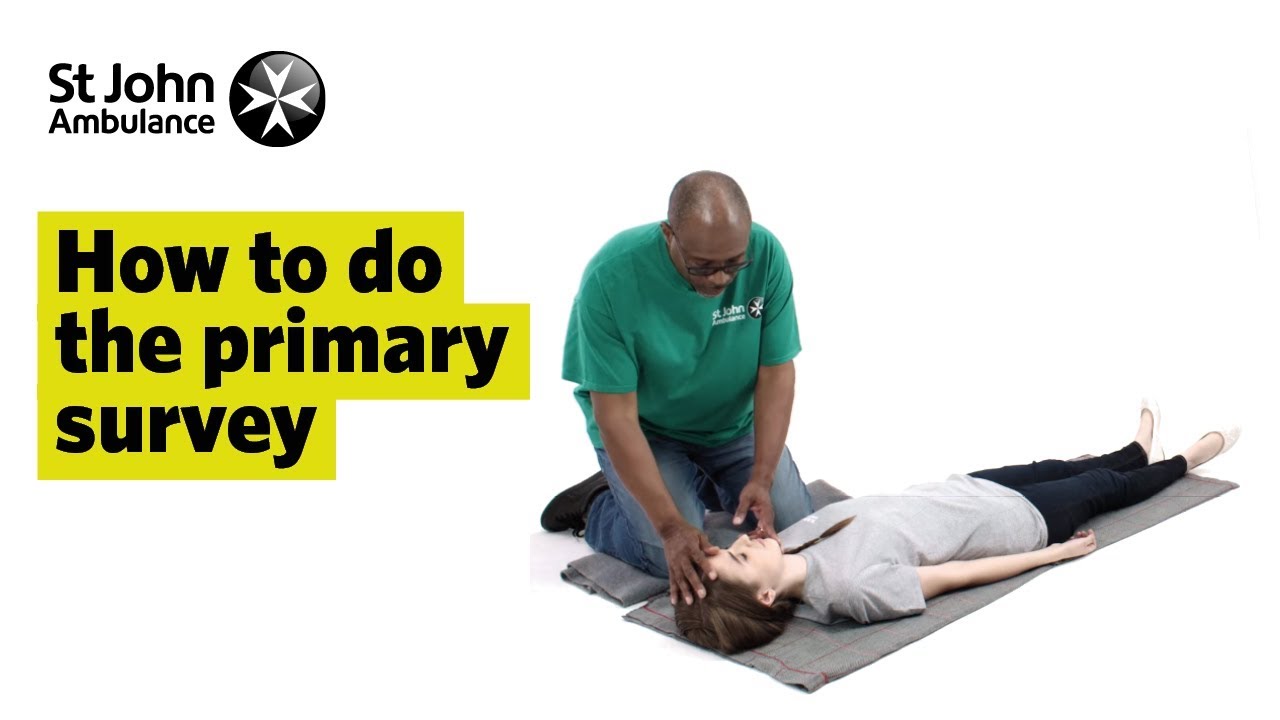
Training is where we change fear with informed authorization. Ribs in some cases break, and that is not failing. Good Samaritan securities exist in many areas for those who give affordable assistance in good confidence. Infection threat from hands-only CPR is very reduced, and you can place a cloth over the mouth if it helps you start. As for size and toughness, tiny students consistently get to ample deepness by locking their elbow joints, stacking shoulders over the chest, and making use of body weight. I have actually viewed a 12-year-old compress successfully with coaching. Confidence does not get rid of worry, it organizes it.
The makeup that opens much better compressions
Confidence expands quickly when people understand what their hands are actually doing. Pushing the breast bone compresses the heart between the breastbone and back, pressing blood ahead. Recoil, the spring-like return of the chest, fills up the heart. Depth and rate have to cohabit. If you push deep but sluggish, or fast however shallow, you lose the benefit.
In uncomplicated adult cases, your targets are easy. Aim for a deepness of regarding 5 to 6 centimeters, approximately a 3rd of the breast. Maintain the rate near 100 to 120 compressions per minute. Enable complete recoil. Reduce stops briefly. These numbers are not trivia, they are signposts. Throughout a cpr correspondence course, I in some cases have students continue a restroom scale put on the manikin to feel what 5 centimeters needs. Several marvel it is greater than they initially believed, yet the strategy is learnable within minutes.
The first 60 seconds: a reasonable script
Many onlookers waste time to indecision. A simple script shortens that hold-up. Right here is a limited series I show and technique in drills.
- Check responsiveness and breathing promptly. Touch the shoulders, shout, and search for normal breathing. Occasional gasps are not normal breathing. Call for aid and send a person for an AED. If alone with a smart phone, placed it on audio speaker and call emergency situation services. Do not leave the person. Expose the upper body and start compressions. Hand positioning is the facility of the upper body, lower fifty percent of the sternum. Lock your elbow joints, shoulders above your hands. Push set, enable complete recoil. Suspend loud to keep rhythm. Aim for 30 to 40 compressions every 20 seconds. When the AED arrives, turn it on and comply with motivates. Resume compressions instantly after any kind of shock.
This script is not elegant, it is functional. In a first aid training setup, we drill it till it feels like muscular tissue memory. The list above match a minute because that is the length of time it must take.
Building ability on a manikin that battles back
The best cpr training relies on responses. Modern training manikins click at a particular depth or connect to an app that reveals real-time rate and recoil. Not every place has those devices, however also low-tech setups can deliver solid knowing if you instructor carefully.
Look for these pens during technique. Compressions that get to target deepness a lot of the time. A stable rate in the 100 to 120 array. No remaining on the upper body at the top of each recoil. Very little time off the chest, particularly during AED configuration. I coach with brief, concrete hints: faster, deeper, right up, suspend loud, button at the two-minute mark. A good first aid and cpr course includes timed practice with substitute tiredness. You discover just how your very own body responds and exactly how to manage energy, particularly during longer events.
One exercise that dependably builds self-confidence is the two-minute drill. Set a metronome to 110 beats per minute. Start compressions and do not pick up a full two minutes while a partner times you. When you end up, you will certainly feel your shoulders and wrists. You will additionally verify to on your own that you can maintain premium compressions for the basic interval between rescuer switches. We after that change roles immediately to imitate the actual circulation. After 2 rounds, price and deepness normally improve for both partners.
The metronome, the track, and the beat you can keep under stress
People love music hints for rate. Songs at regarding 100 to 120 First Aid Training Port Adelaide beats per minute can assist, yet they are not constantly in your head when you need them. A metronome application, a smartwatch haptic setting, or the teacher's clap pattern trains your inner tempo. Practice with the beat up until you can maintain it within a 10-beat home window without the sound. High-quality cpr courses commonly include rhythm training due to the fact that price drift is just one of the most persistent mistakes. You start at 110, then tiredness pushes you quicker or slower without seeing. Self-confidence consists of the capability to self-correct without electronics.
Hands-only CPR inside a more comprehensive first aid plan
CPR does not live in a vacuum. It rests inside scene security, activation of emergency services, and very early defibrillation. I urge workplaces to combine a cpr course with a short AED orientation and a tailored first aid segment that covers recognition of heart symptoms, choking, and overdose action. That incorporated approach mirrors reality and gives individuals the judgment to change settings quickly.
Organizations that enroll numerous team in first aid and cpr courses get an included advantage. They develop a typical language. When someone shouts I have the AED, pads open, clear, the remainder of the group recognizes when to stop and when to return to. A first aid certificate is more than a wallet card. It signifies that you have actually drilled the choreography, not just the steps.
Practicing for edge instances without losing the core
Real life makes complex the manuscript. Rain. Gravel. A jampacked production line. A limited lounge area. Challenging clothes. Body habitus. An agonal gasp that tricks you right into waiting. The means to prepare is to fold up edge situations right into practice, not simply state them in slides.
In outdoor circumstances, reposition for firm ground if you can do so quickly and securely. In cramped spaces, rotate the victim or on your own to get your shoulders over their chest. For larger breasts, change hand placement a little higher on the breast bone to stay clear of slipping and lean in with your body weight, keeping your wrists neutral to spare your hands. If the person has a really prominent chest, expand your base and lock in Tuggerah CPR Training your arm joint angle to maintain deepness. If onlookers crowd the scene, designate functions: you count compressions, someone handles the phone and AED, another keeps the location clear. These are the minutes where previous drills settle. They replace the vague concept helpful with crisp actions.
Hygiene, obstacles, and the functional fact of hands-only CPR
Fear of illness transmission often delays action. Hands-only CPR lowers this risk additionally by eliminating mouth-to-mouth contact for adult unexpected collapses. If you have accessibility to a face shield or barrier gadget from a first aid kit, keep it handy for circumstances that call for breaths, like pediatric apprehensions or drowning. For hands-only compressions, protective handwear covers behave to have but do not wait for them if the scene is otherwise secure. After the occasion, wash thoroughly and report the direct exposure to your employer or doctor if any physical liquids gotten in touch with broken skin. Properly stocked sets in your home and work that include gloves and a barrier mask eliminate one more reason to hesitate.
The AED is your colleague, not a fragile instrument
I frequently see people deal with the AED like a glass sculpture. They open it with reverence, read every line two times, and shed a precious min. AEDs are developed for mayhem. Open, power on, comply with the voice. If the chest is sweaty, wipe briefly and apply pads. If the person has an extremely unshaven breast, shave promptly with the consisted of razor or press one pad down, tear it off to clear hair, and afterwards use a brand-new pad. Do not be afraid positioning pads over a pacemaker mark; just move a little side to avoid the raised tool. Fashion jewelry can remain, as long as pads make strong call on bare skin. The maker will certainly analyze and encourage. Your function is to return to compressions quickly after any shock and between evaluations. A solid cpr training session will certainly allow you take care of an AED enough times that your fingers understand exactly how to peel off the pads without fuss.
Fatigue administration and team flow
High-quality compressions lose power as you tire. You might feel great, yet deepness metrics slide. Switching compressors every two mins, or after 5 cycles if you are counting, secures quality. In groups, pre-announce the switch on your count. On thirty, you take control of at my one. The outward bound compressor raises hands directly to stay clear of bumping the new hands. Minimize the time out to less than 5 seconds. Exercising this cadence in a first aid course pays rewards in genuine response.
Solo rescuers encounter a harder choice. Stopping to relax expenses blood circulation. Use your legs and aware of preserve arm stamina, and let the AED's evaluation pauses be your micro-break. If you are alone and have to retrieve an AED situated really nearby, the judgment telephone call is to bring it only if the big salami is secs, not minutes. Confidence originates from rehearsing these decisions beforehand in a controlled environment.
How to pick training that builds real confidence
Not all courses really feel the exact same. Some deliver a slide deck and a worksheet. Others obtain you breathing hard on the floor covering. For hands-only CPR, focus on teachers and service providers that stress practice time, mentoring, and circumstance range. Inquire about manikin responses, student-to-manikin proportion, and just how frequently you will switch over duties. Search for cpr courses that include AED drills which welcome concerns about local protocols and Good Samaritan protections.
Comprehensive first aid courses can deepen your preparedness, especially if you are a moms and dad, instructor, or supervisor. Programs that integrate first aid and cpr training usually run half-day to full-day layouts. If you are maintaining a first aid certificate for job, a cpr refresher course at six to twelve month periods keeps muscle mass memory sharp. Muscle mass fail to remember, and so do hands.
Some service providers, like First Aid Pro and other established organizations, purchase sensible circumstances and contemporary training aids. The brand matters much less than the approach, however credible suppliers often tend to uphold constant quality requirements, maintain present standards, and problem recognized qualification that employers accept.
Turning understanding into habit at home and work
Training day ends. Genuine preparedness begins the following early morning. Self-confidence grows when you make CPR a visible component of your setting. Location AED signage where individuals can see it. Maintain the tool opened and accessible if plan permits. Put a quick-action card near phones that provides address, access directions, and the steps for hands-only CPR. During personnel conferences, rotate a two-minute compression drill quarterly. If you monitor, straighten your emergency situation plan with your first aid and cpr course material so personnel are not presuming which playbook to follow.

At home, reveal family members where the first aid package is and exactly how to put a phone on audio speaker. Young adults learn rapidly and commonly outperform adults on compression rhythm. Short refreshers, also 5 minutes on a manikin at a neighborhood open day, keep the beat active in your hands.
A brief case study: from doubt to activity in under a week
A small stockroom group completed a three-hour cpr training on a Thursday. The complying with Tuesday, a delivery chauffeur broke down near the filling dock. The closest staff member identified agonal gasps, asked for the AED, and began hands-only compressions within 20 secs. One more staff member called the emergency number, a third cleared the pathway for -responders. The AED came to the two-minute mark, suggested a shock, and compressions returned to quickly. Paramedics showed up approximately seven mins after collapse. The client reclaimed a pulse en route. Debrief later revealed two functional points that mattered. Initially, they had practiced that would get hold of the AED and that would open up eviction for the rescue. Second, their supervisor had insisted every personnel technique the two-minute drill two times. The team did not question whether they were ready. They did the following ideal thing in turn, which originated from training that really felt close to real.
Avoiding usual mistakes without chasing perfection
Perfection is a deluxe heart attack does not use. Still, a few repeating blunders deserve naming so you can prevent them. Waiting too long to begin since breathing looks irregular. Superficial compressions that shield ribs however deprive the brain. Leaning on the breast and avoiding recoil. Letting the price drift over 130 and missing out on deepness. Stopping for lengthy directions when the AED is already informing you what to do. Dealing with any kind of one of these elevates the top quality of your initiative. Taking care of two or 3 changes it.
During a cpr refresher course, ask your instructor to expect these specifics and to give you one training factor at a time. Adults find out finest with bite-sized corrections. Film a brief clip of your compressions on a manikin for self-review. You will certainly see stance and elbow joint angle concerns much faster on video than in the moment.
The law, liability, and doing what is reasonable
Concern regarding legal effects is common. The majority of regions have Do-gooder laws that protect bystanders who render help in good faith and within their level of training. Affordable is the key word. Beginning hands-only CPR on an unresponsive grownup that is not taking a breath normally is practical. Stopping just when an AED, paramedics, or clear signs of recuperation appear is sensible. Getting rid of fashion jewelry with pressure or trying invasive treatments is not. A reliable first aid and cpr course will describe your neighborhood framework without dragging you into legalese. The objective is not to transform you into an attorney, it is to remove the path to action.
Sustaining self-confidence: easy regimens that keep abilities alive
Confidence fades if you leave it on the shelf. Maintain it to life with brief, foreseeable routines. Pair a monthly schedule reminder with a two-minute visualization: think of a collapse in your most acquainted area and run the script in your head. If you have access to a method manikin at a recreation center or health club, decrease in for five minutes and run a compression drill. When brand-new team join your group, practice the functions once more so the choreography stays fresh. https://pastelink.net/4f5wmgzy Refresher courses do not need to be fancy to be efficient, they need to be regular.
For official upkeep, slot a cpr refresher course annually or when guidelines upgrade. If your function requires a first aid certificate, track the expiry and publication early. First aid courses fill promptly, and you want time to exercise, not squeeze it between deadlines.
Why hands-only CPR training really feels different when shown well
Good direction modifications exactly how you really feel regarding emergencies. As opposed to imagining chaos, you visualize the very first compressions. Rather than imagining a lawsuit, you visualize the AED pads landing in the appropriate spots. Rather than thinking of whatever that can go wrong, you consider minority actions that tilt the odds. That psychological change is confidence. It does not silence nerves, it straightens them with purpose.
Over the years, I have seen quiet individuals lead scenes, teenagers instructor grownups via AED motivates, and small-framed team supply textbook compressions. None of that originated from blowing. It originated from structured practice, clear comments, and repetition. The heart does not care if you are extroverted, only if you start.
Final thoughts worth bring with you
If you keep in mind nothing else, remember this: when an adult collapses and is not breathing normally, hands-only CPR started within the first min can increase or even triple the possibility of purposeful survival in the ideal rhythms. You do not require to be a physician. You require to push hard and fast in the facility of the breast, enable complete recoil, reduce stops, and make use of an AED as quickly as it arrives.
Take a cpr course that makes you sweat, not simply think. Fold it right into a comprehensive first aid course if you can. Maintain your first aid certificate existing. Reserve a cpr correspondence course before your self-confidence dips. After that live your life, understanding that if a complete stranger or loved one requires you, your hands will know what to do.